Stem Cell Therapy: A Glimpse into the Future of Medicine
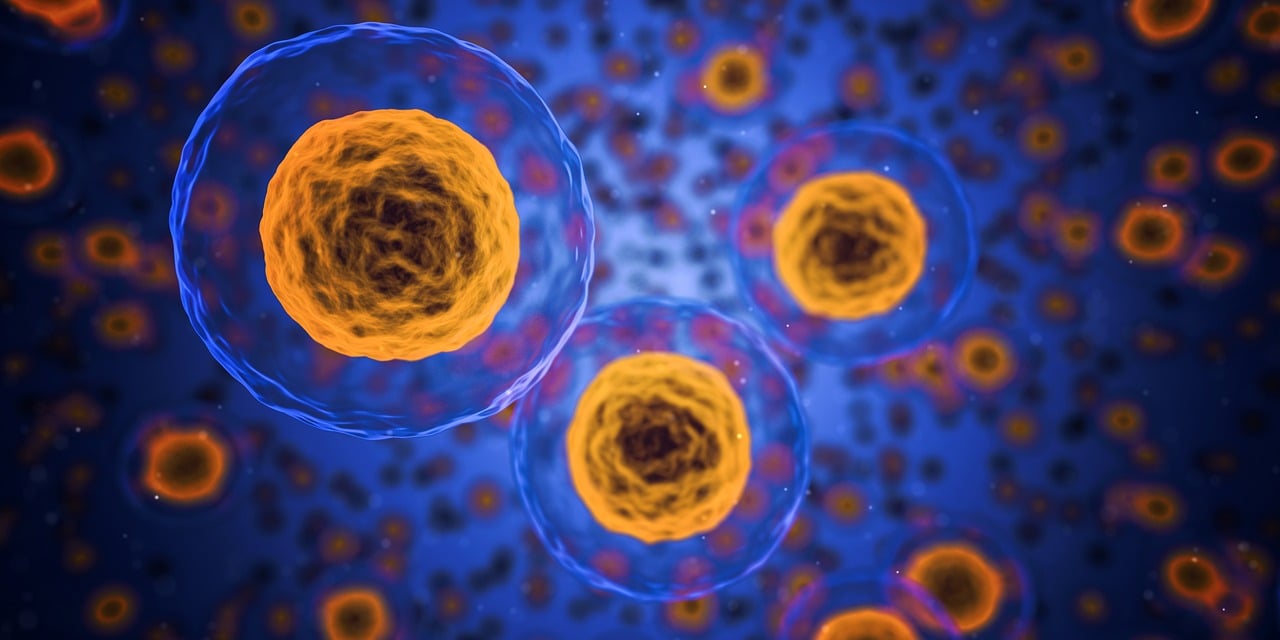
The world of medicine is entering a new, exciting chapter: stem cell therapy. This therapy is a promising method in modern medicine that aims to replace damaged or diseased cells in the body with new, healthy ones. But what exactly are stem cells, and how does this therapy work?
← ZurückWhat Are Stem Cells?
Stem cells are special cells that can transform into various other cell types. They have the unique ability to renew themselves and differentiate into different cells in the body, such as muscle cells, nerve cells, or blood cells. This flexibility makes them particularly valuable for medical treatments.
How Does Stem Cell Therapy Work?
In stem cell therapy, stem cells are introduced into the patient's body to repair damaged tissue or restore lost cell functions. These stem cells can be sourced from various origins, including bone marrow, fat tissue, and induced pluripotent stem cells (iPS cells), which are originally normal body cells that have been reprogrammed.
What Is Stem Cell Therapy Useful For?
Stem cell therapy leverages the unique capabilities of stem cells to renew themselves indefinitely and differentiate into various cell types. With the help of stem cells, it is possible to repair damaged tissue and treat diseases that were previously considered incurable.
Tissue Regeneration: Stem cells can repair damaged tissue, which is beneficial for diseases like Parkinson's, Alzheimer's, and heart diseases. They also offer new treatment possibilities for previously incurable spinal cord injuries.Epilepsy Treatment: Stem cell transplants have shown to reduce the frequency and intensity of seizures in drug-resistant epilepsy.Fighting Cancer: Stem cells can target and destroy tumor cells without harming healthy tissue. They are particularly promising for breast, lung, and pancreatic cancer.
Challenges of Stem Cell Therapy
Stem cell therapy offers enormous medical potential but also faces significant challenges. One of the biggest technical hurdles is the production and standardization of stem cells for clinical applications. This includes the safe collection, storage, and transportation of the cells. Another issue is genetic instability, especially in reprogrammed stem cells (iPS cells), which can lead to unpredictable mutations and, in the worst case, tumor formation. The body's immune response can also attack transplanted stem cells, which naturally affects the effectiveness of the therapy. Additionally, there are ethical concerns, especially with the use of embryonic stem cells.
Comprehensive clinical studies are necessary to ensure the safety and efficacy of these therapies and to overcome these challenges. Stem cell therapy has the potential to revolutionize medicine and treat many previously incurable diseases. Despite the remaining challenges, recent advances and numerous successful applications demonstrate the immense potential of this technology and give many people new hope for healing. With ongoing research and development, we are hopeful that stem cell therapies will soon become a common practice in medical treatment.
Are you interested in actively contributing to this progress in medical healthcare?
Then check out our study overview on our website. We look forward to your registration!
------------
Sources:
Alayli, A., Lockard, G., Gordon, J., Connolly, J., Monsour, M., Schimmel, S., Peña, I., & Borlongan, C. (2023). Stem Cells: Recent Developments Redefining Epilepsy Therapy. Cell Transplantation, 32.
Moy, A., Kamath, A., Ternes, S., & Kamath, J. (2023). The Challenges to Advancing Induced Pluripotent Stem Cell-Dependent Cell Replacement Therapy. Medical Research Archives.
Ning, Y. (2023). Comprehensive research progress in stem cell therapy. Theoretical and Natural Science.
Sangar, S., Agahi, N., Azizi, A., Hasheminezhad, N., Ghannad, E., Nafei, P., & Babayi, M. (2023). In Vivo Stem Cell Discoveries: Promising Implications in Cancer Therapy. Journal of Lab Animal Research.
Volarevic, V., Markovic, B., Gazdic, M., Volarević, A., Jovicic, N., Arsenijević, N., Armstrong, L., Djonov, V., Lako, M., & Stojkovic, M. (2018). Ethical and Safety Issues of Stem Cell-Based Therapy. International Journal of Medical Sciences, 15, 36 - 45.